Food insecurity is a growing issue in Alberta. Through school gardens, food bank drives, rooftop gardens, and a pollinator program, we’re working alongside the AMA Community Foundation to fight for a future where all Albertans have access to good nutritious food, and nobody gets left behind.
School Garden Studio
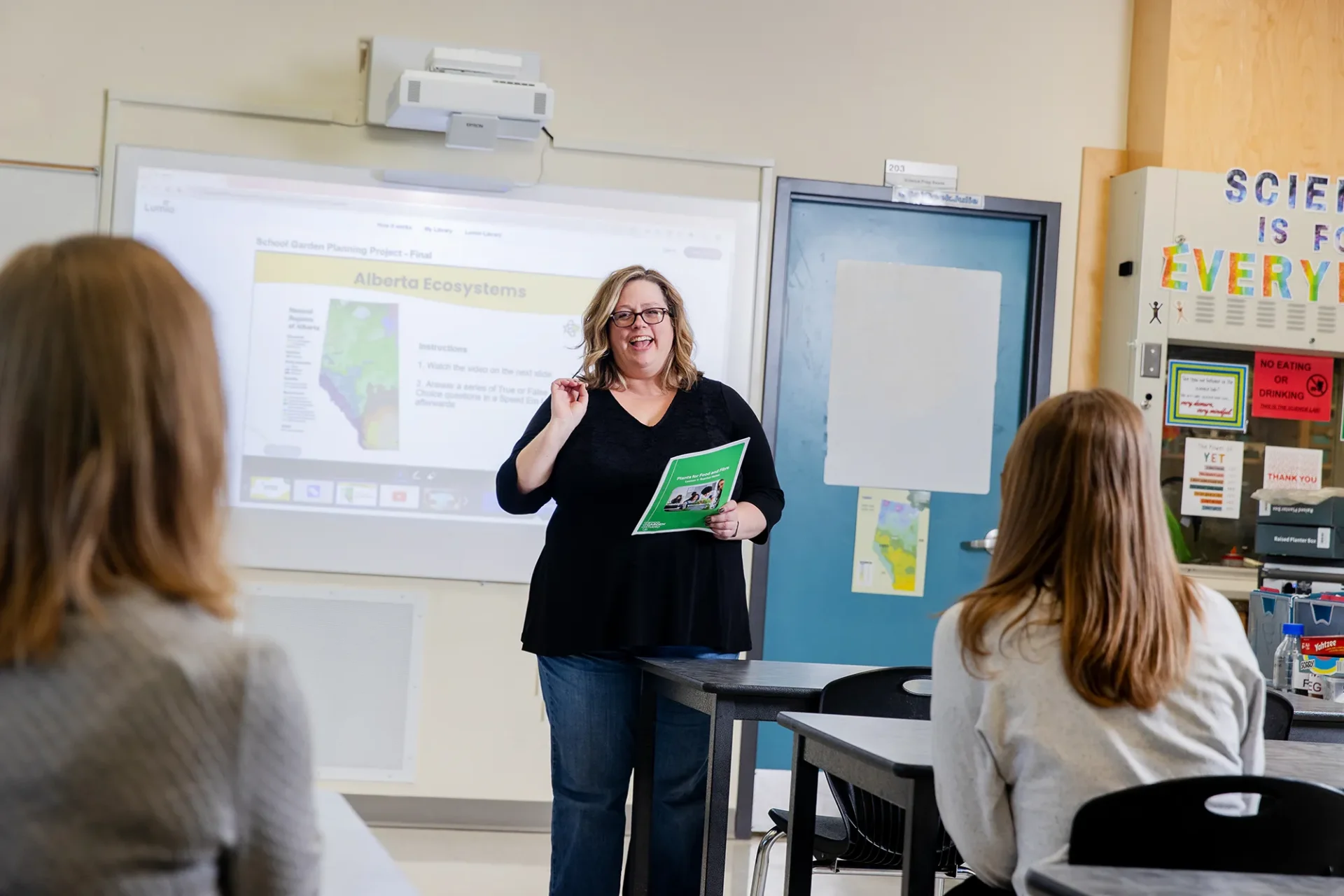
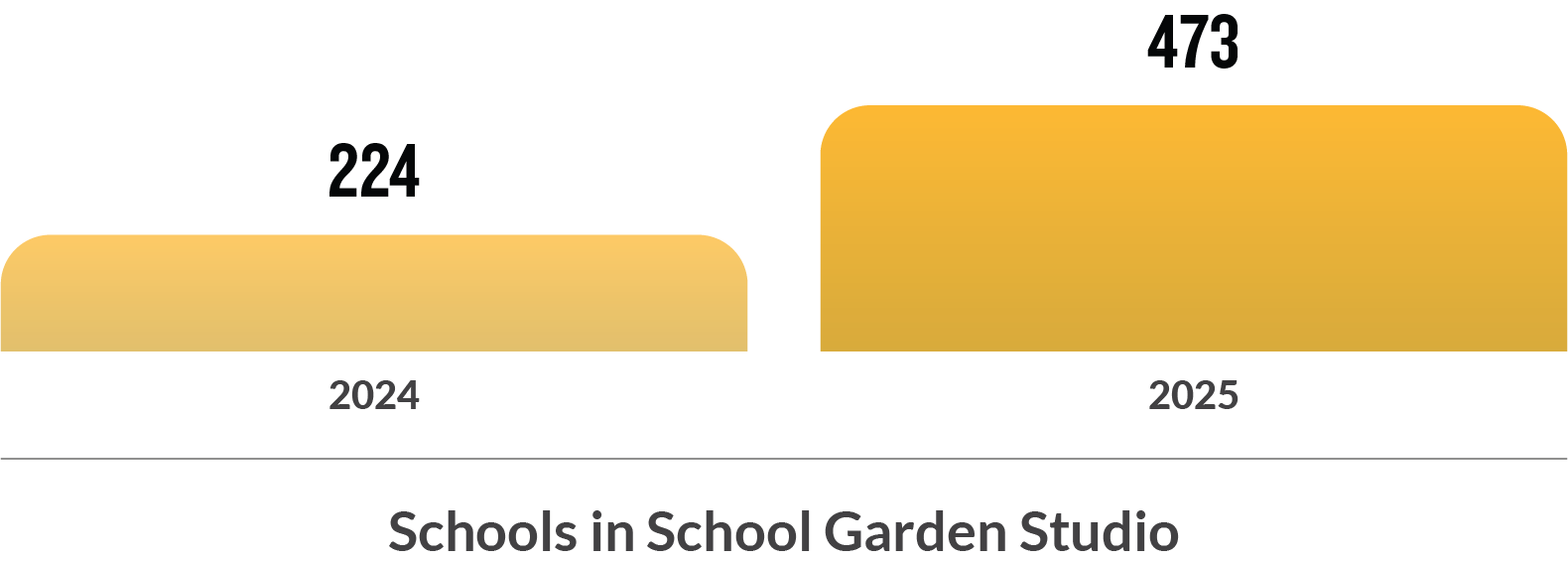
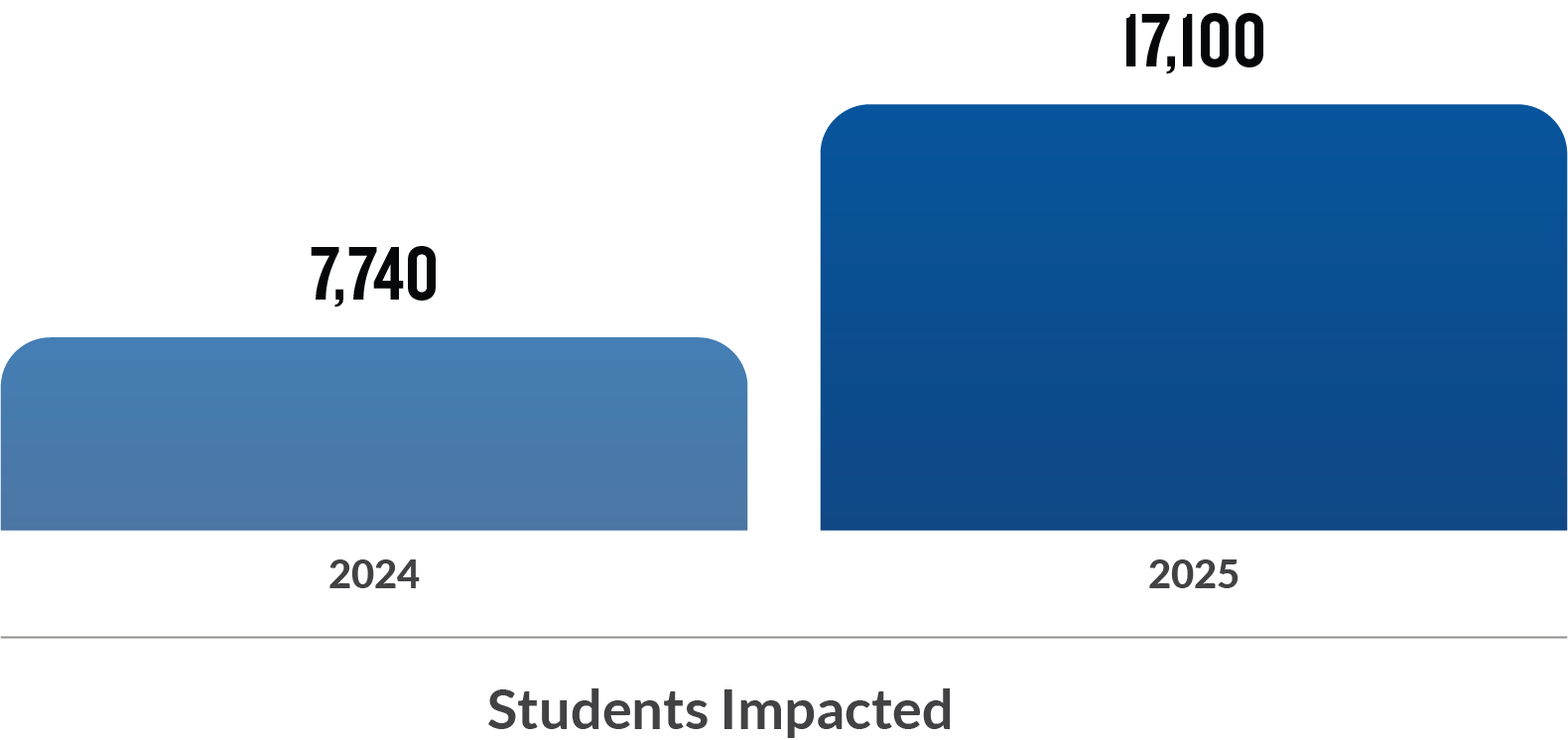
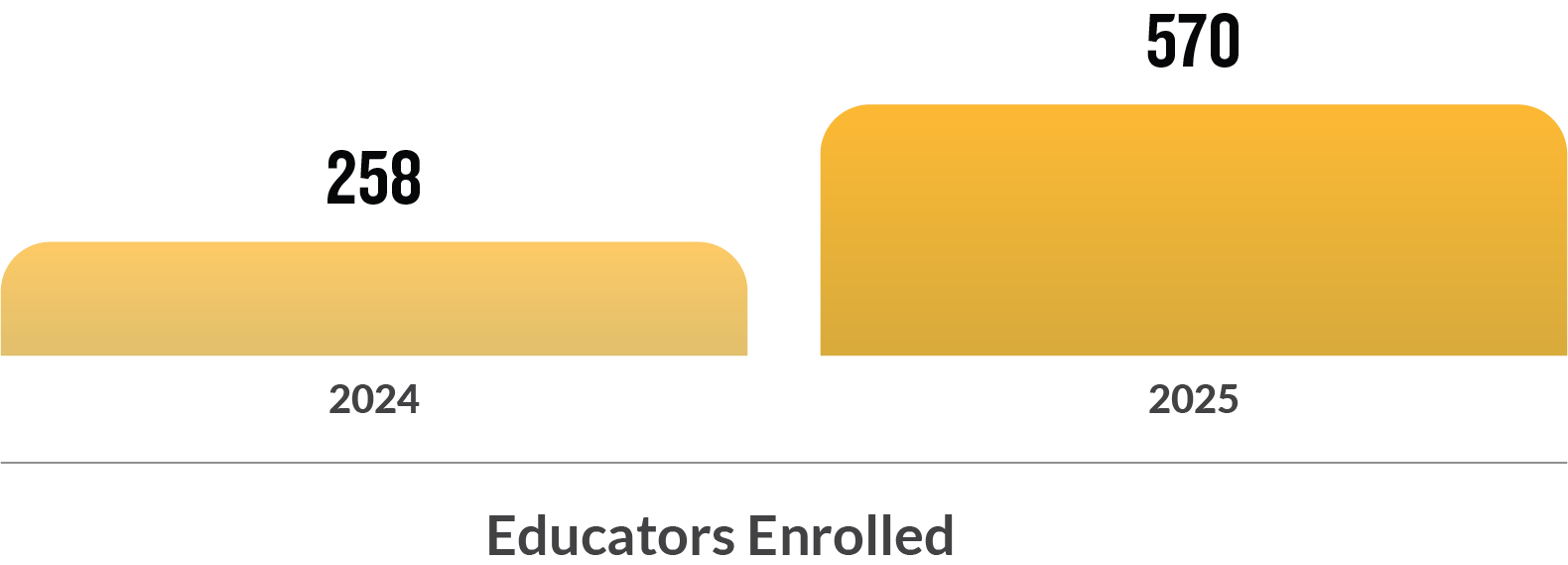
We started the AMA School Garden Studio program in late 2022 and since that time it has continued to grow and reach new heights. At the end of 2025, 550 teachers at 473 schools and 142 divisions across the province are involved in the program, which began as strictly a junior high school initiative and has since expanded to include grades K to 9. And in 2026, we’ll include Grades 10 through 12.
We want teachers of all grades to have access to resources that make it easier for them to teach children how to grow their own food. In 2025 we produced the first lesson plans for elementary school students and the AMA Community Foundation made the School Garden Studio bursary available to educators from grade 1 to 7. We produced French-language versions of our grade 7 lesson plan, and added land-based learning lesson plans (a curriculum requirement) for grade 7, developed with the expertise and guidance an Indigenous Elder and Knowledge Keeper. Our elementary plans all incorporate Indigenous knowledge and are available in both French and English.
We also produced a series of seven short educational videos for teachers to use in the classroom, covering everything from how plants grow to the future of agriculture, to further support students’ learning. We’re continuing to expand the program and in doing so, building strong roots in the fight against food insecurity by teaching children how to grow their own food—cultivating confidence as well as produce.
Fill Our Fleet
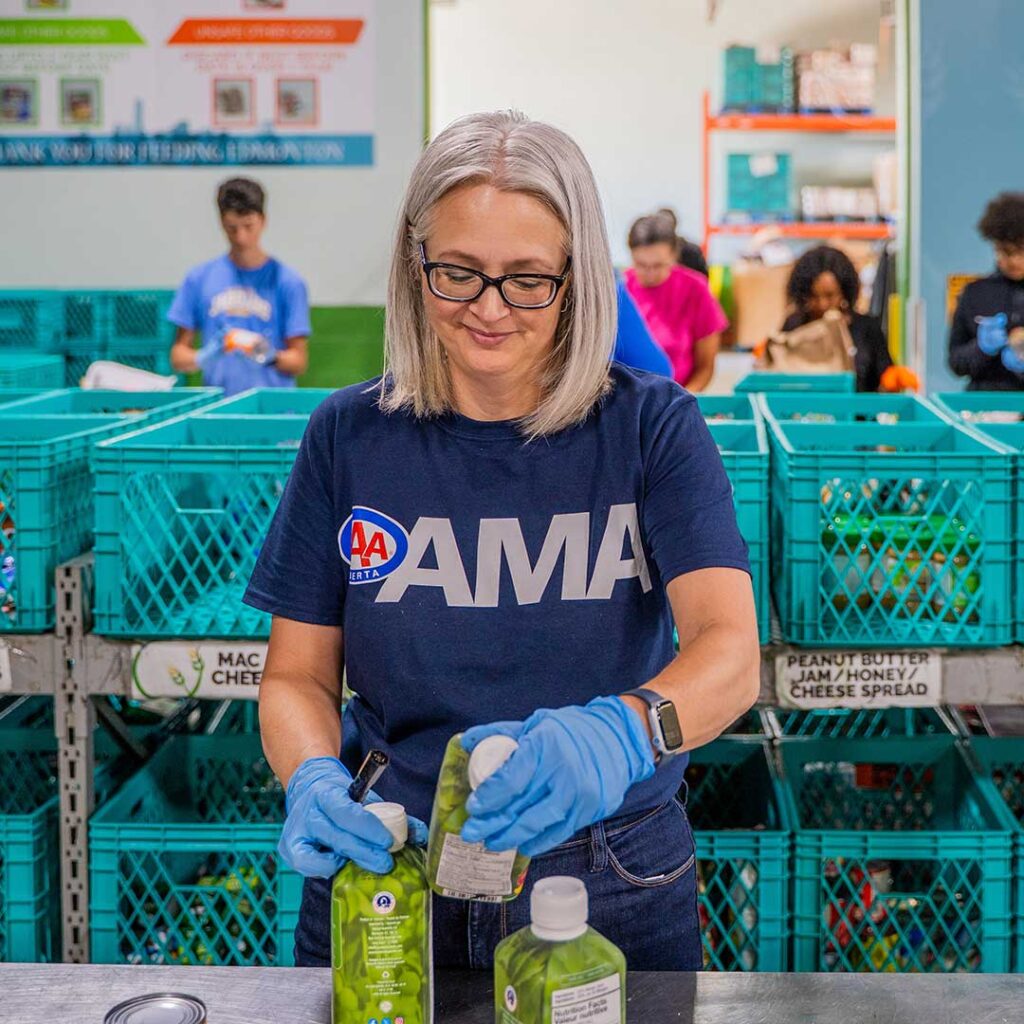
The number of Albertans turning to food banks to feed their families took a huge jump in 2025. According to the 2025 Hunger Report, Albertans visited food banks an average of 210,541 times every month, an increase of 21.8 per cent from 2024 and the second-largest increase in food bank use in Canada. Of these visits, more than a third were by children under 18.
This surge in demand has strained Alberta’s food banks like never before. With more people than ever in need and fewer in a position to donate, the support of organizations like AMA and the AMA Community Foundation has never been more crucial. As always, the generosity of our members was inspiring in 2025—and many small, individual actions combined to make an enormous difference to those in need.
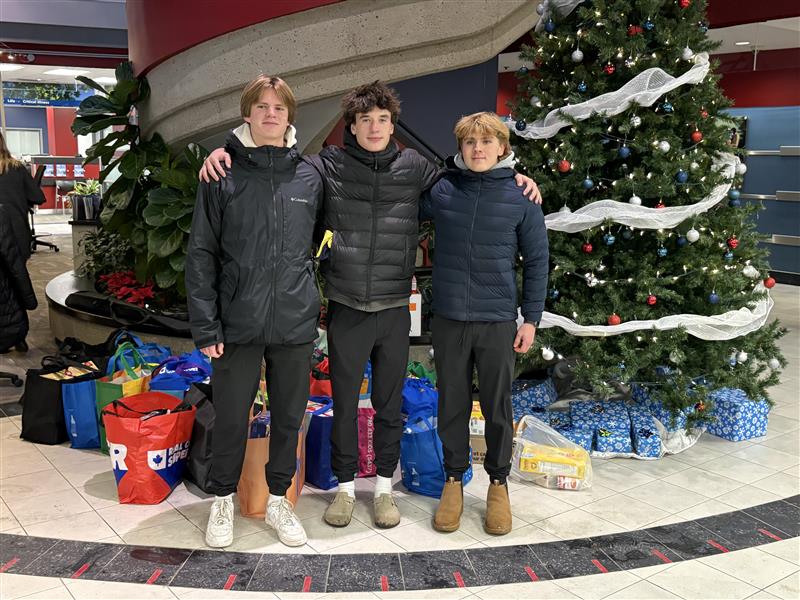
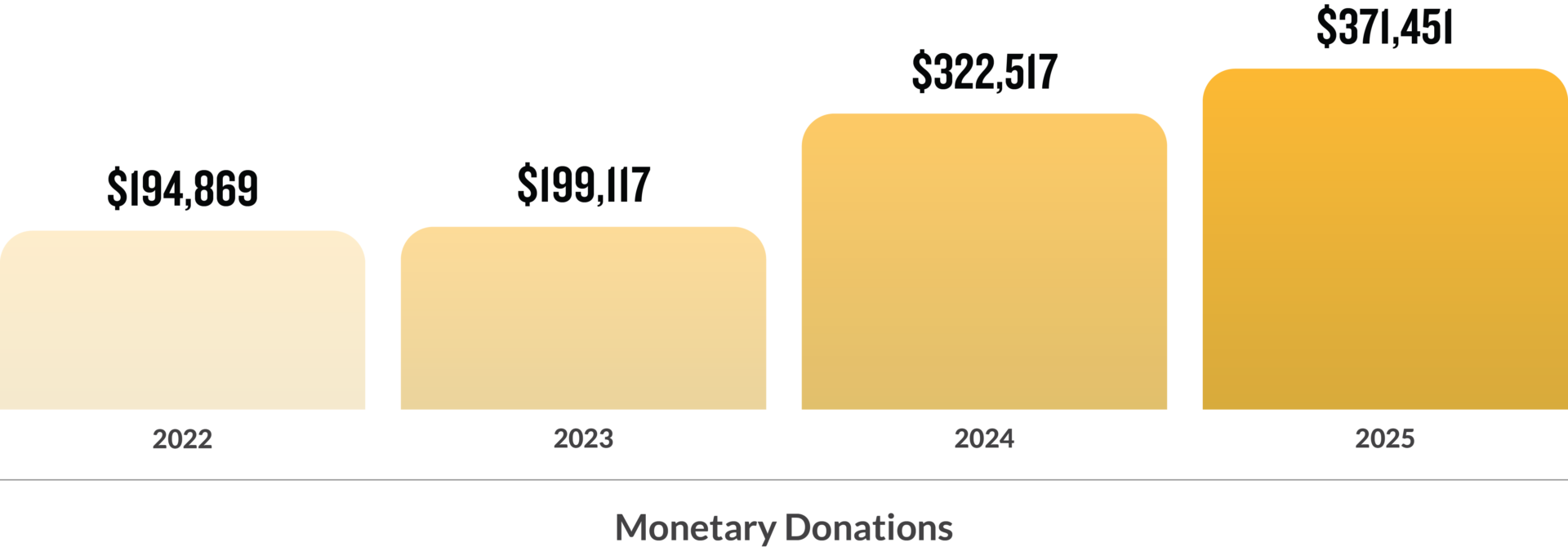
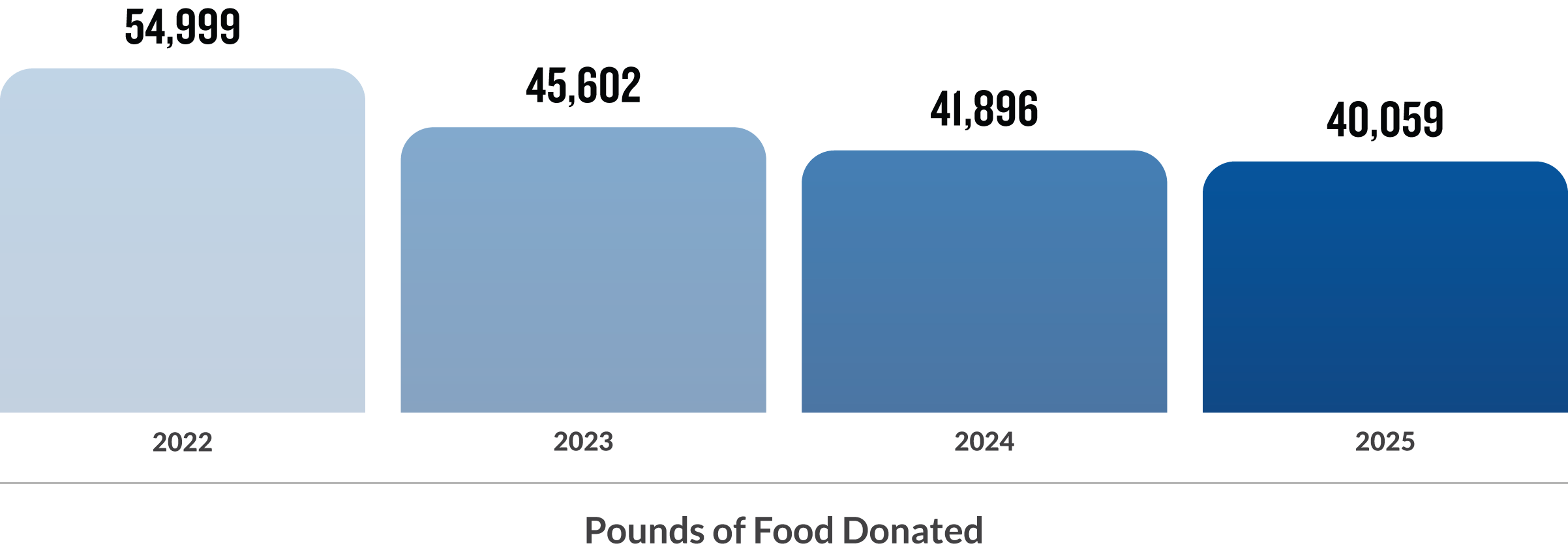
Our community stepped up in 2025 with $371,451 and 40,059 lbs of food donated to local food banks through the AMA Community Foundation. As we did in 2024, we pledged to match every campaign donation up to $100,000 between October 1 and December 31—a number we increased to $125,000 in December, inspired by the overwhelming generosity of our members.
Together we showed what the Alberta spirit is all about—big-heartedness, generosity, community-mindedness, and determination to make a difference.


Harvesting Hope
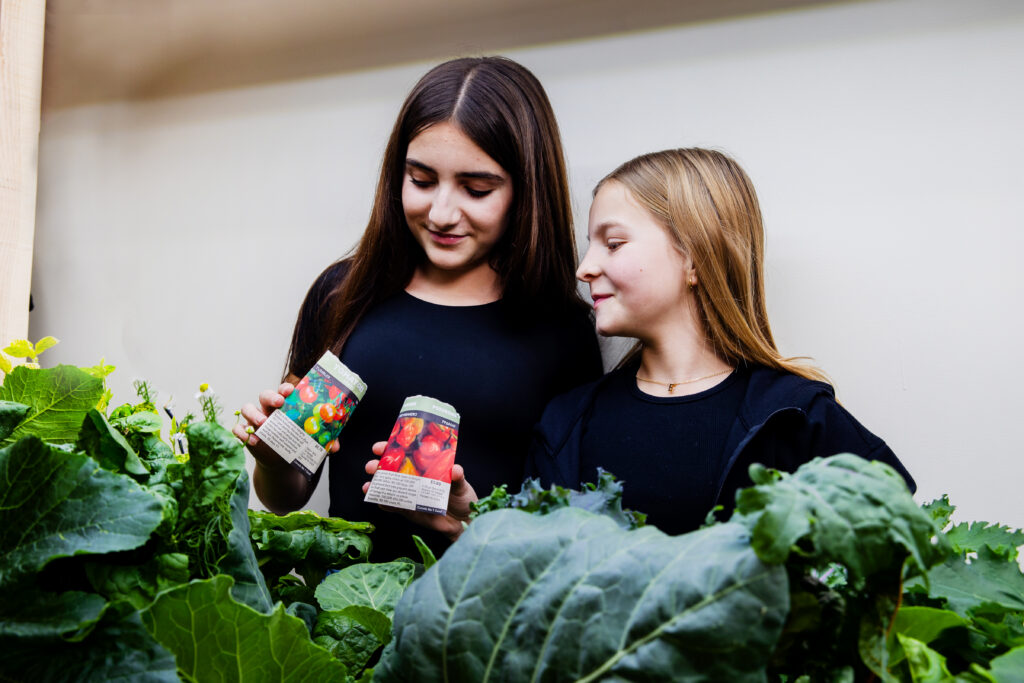
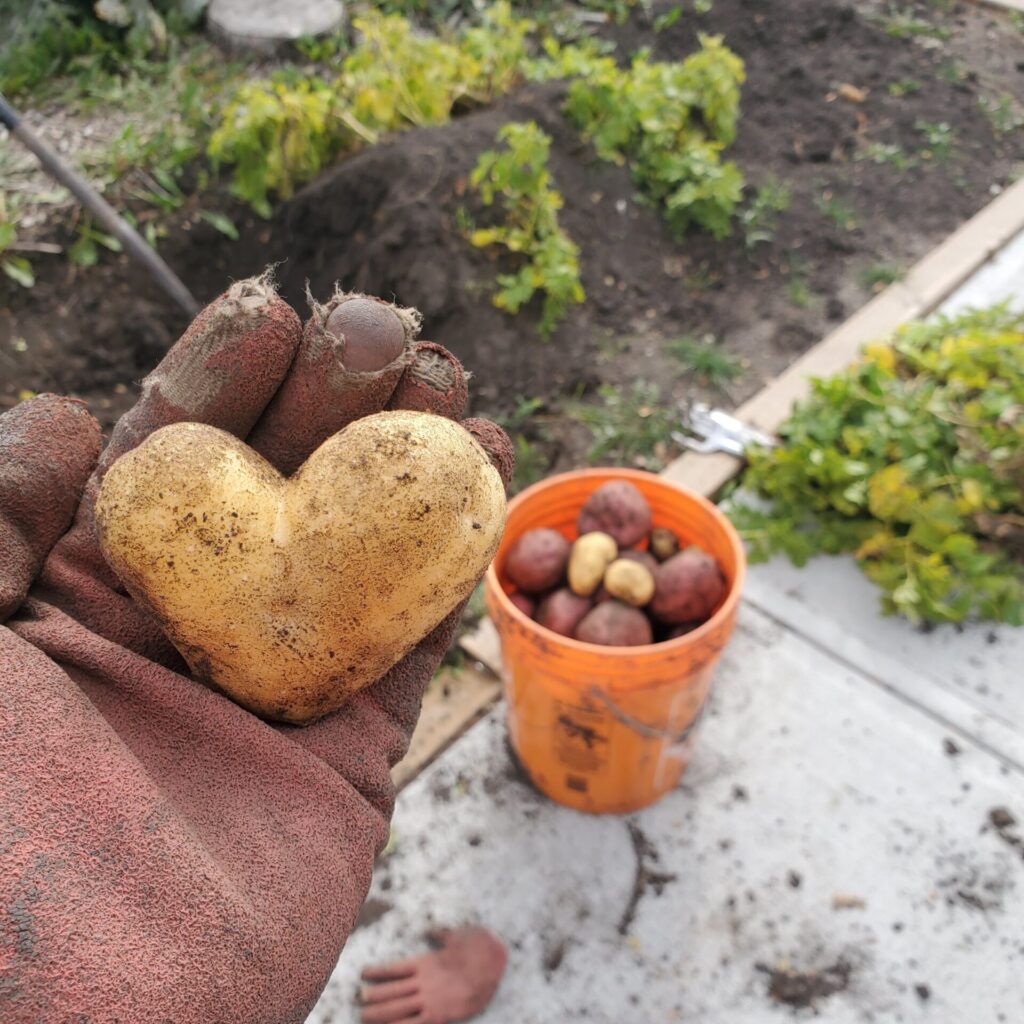
Giving comes in many forms. Sometimes it’s financial, often it’s time, and sometimes it’s a plot in a garden. With nearly two out of five kids in Alberta growing up without reliable access to enough healthy food, AMA launched Harvesting Hope in 2024 with a view to providing food-insecure Albertans with fresh, garden-grown food. The concept is simple but meaningful: we invite members to grow extra vegetables in their garden and bring their harvest to us for donation to local food banks.
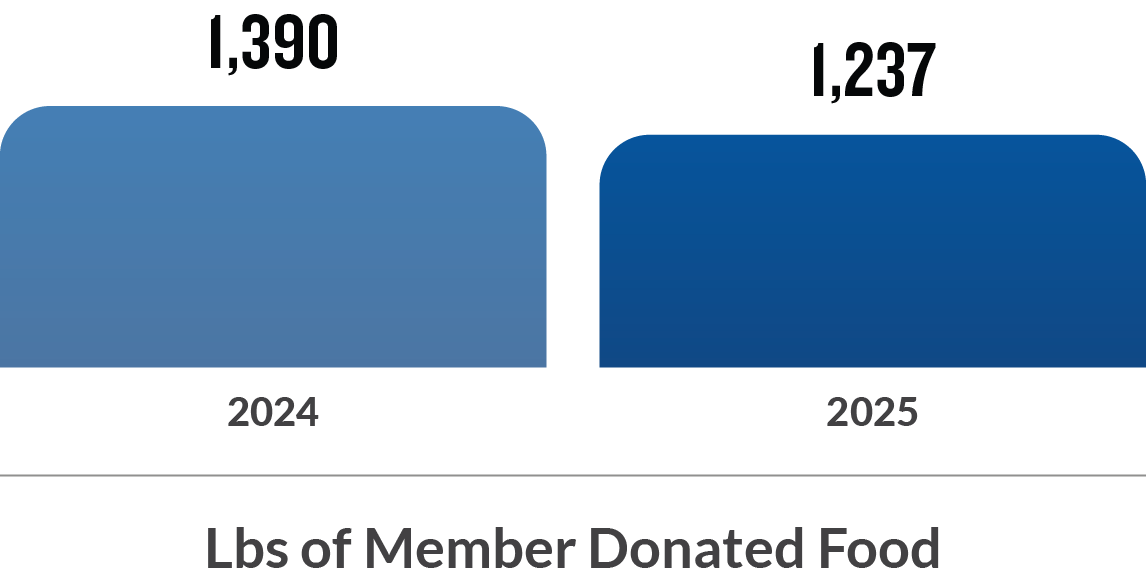
This year we lowered the barrier for people wanting to help their neighbours by providing members with free seeds for carrots, rutabagas, or beets, along with a burlap bag to fill and return the harvest to us. In all, we collected 1,237 pounds of fresh garden-grown vegetables in 2025—all of which went directly to Albertans in need.
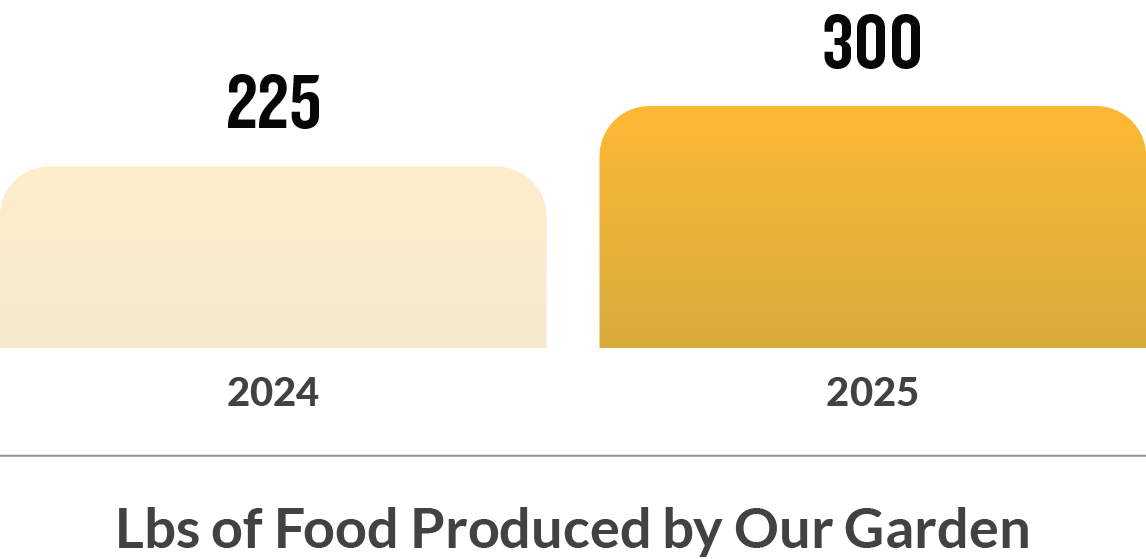
We also continued to produce fresh produce through our own rooftop garden at our Edmonton South location, in partnership with MicroHabitat. Our small garden yielded 300 pounds of produce in the summer months of 2025 (up from 225 in 2024), all of which went to Edmonton’s Food Bank.
Pollinator Program
Pollinators are essential for food production, as they contribute to the reproduction of over 75% of the world’s flowering plants and about 35% of the world’s food crops. Bees and other pollinating animals therefore have a vital role in producing the food we eat. As such, our Pollinator Program plays an important role in our food security strategy, from both an educational standpoint and as a tangible contribution to the health of our food system in Alberta.
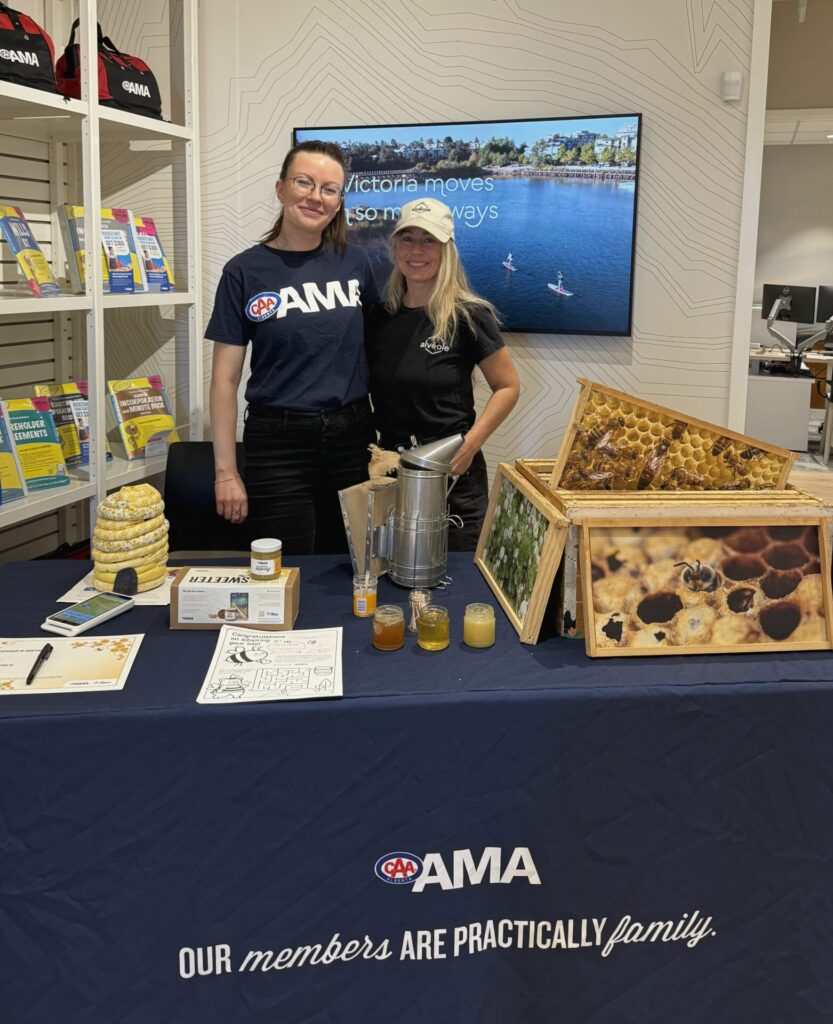
AMA maintains a population of roughly one million bees (around one for every AMA member) at 20 hives located at select centres and partner locations, some of which also feature pollinator-friendly landscaping. As part of our educational outreach in 2025, we provided 20 kiosk-based tutorials staffed by our beekeepers where members could learn about bees, take a look inside the hives, and sample some of our honey. This included youth outreach with two days of tutorials at our School Safety Program year-end picnics.

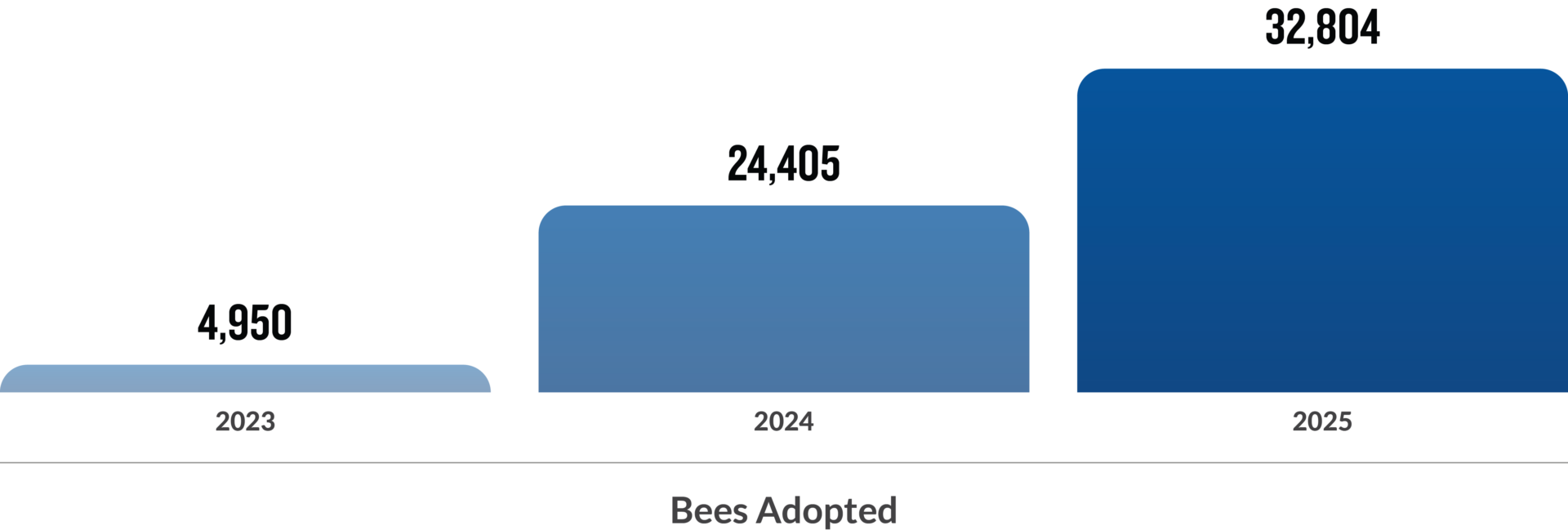
32,804 BEES
adopted in 2025
Our adopt-a-bee initiative, in which members can support community programs by adopting our bees through the AMA Community Foundation, entered its third year in 2025. Over 32,000 bees were adopted in 2025, raising $32,804 for the foundation. The bees themselves were busy this year, producing 2,000 jars of honey, of which 200 were donated to Edmonton’s Food Bank. Proceeds from our honey sales, including a holiday gift set, contributed another $9,336 to the foundation bringing the cumulative total raised by the program since its inception to $73,342.
Turns out these tiny creatures have quite an impact—not only on our environment and our food system but also on our community. Our adopt-a-bee program is a great example of the power of many small individual actions making a tangible difference for an entire community—and indeed an entire ecosystem—while raising awareness of an important environmental issue.